Rocky farming landscape
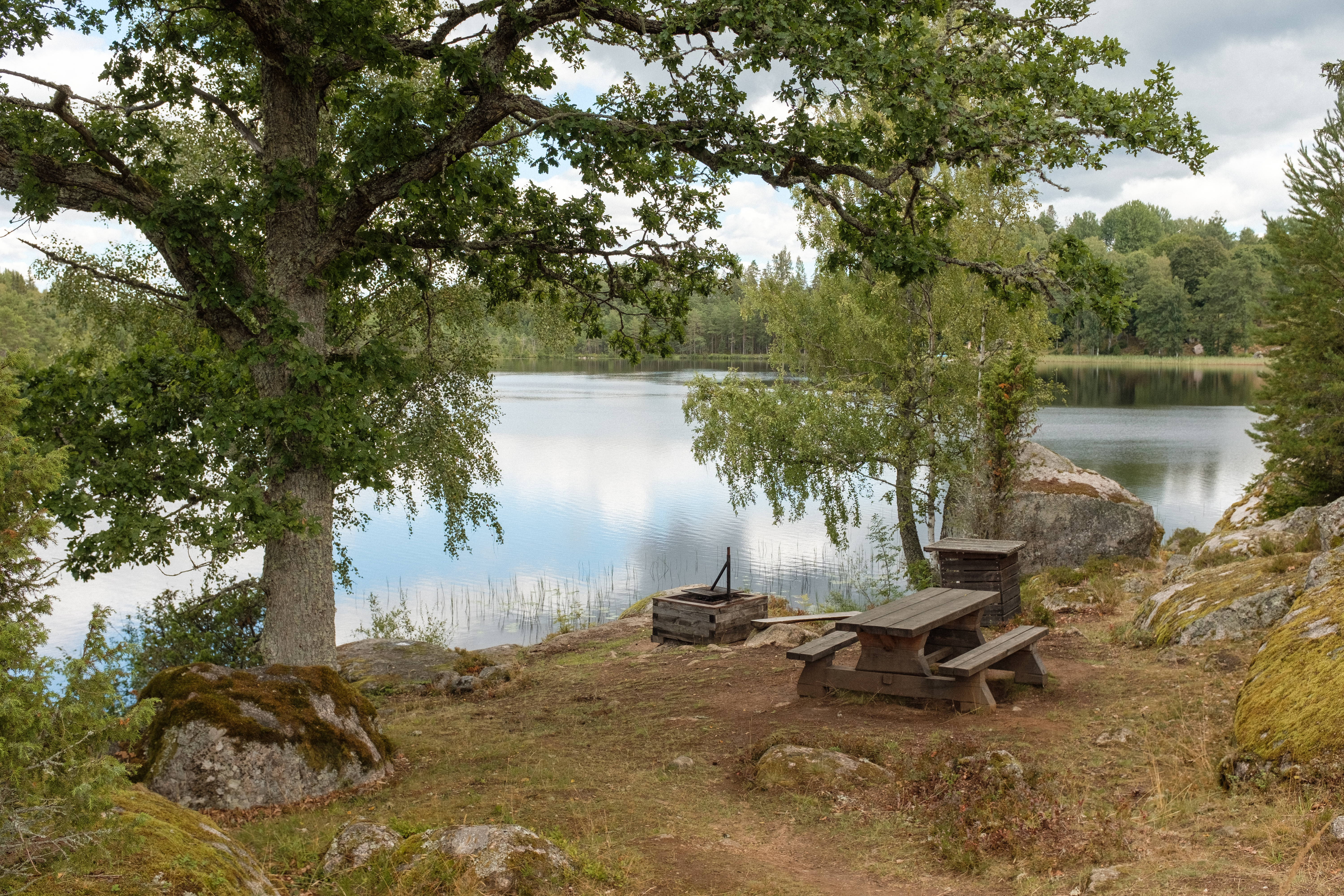
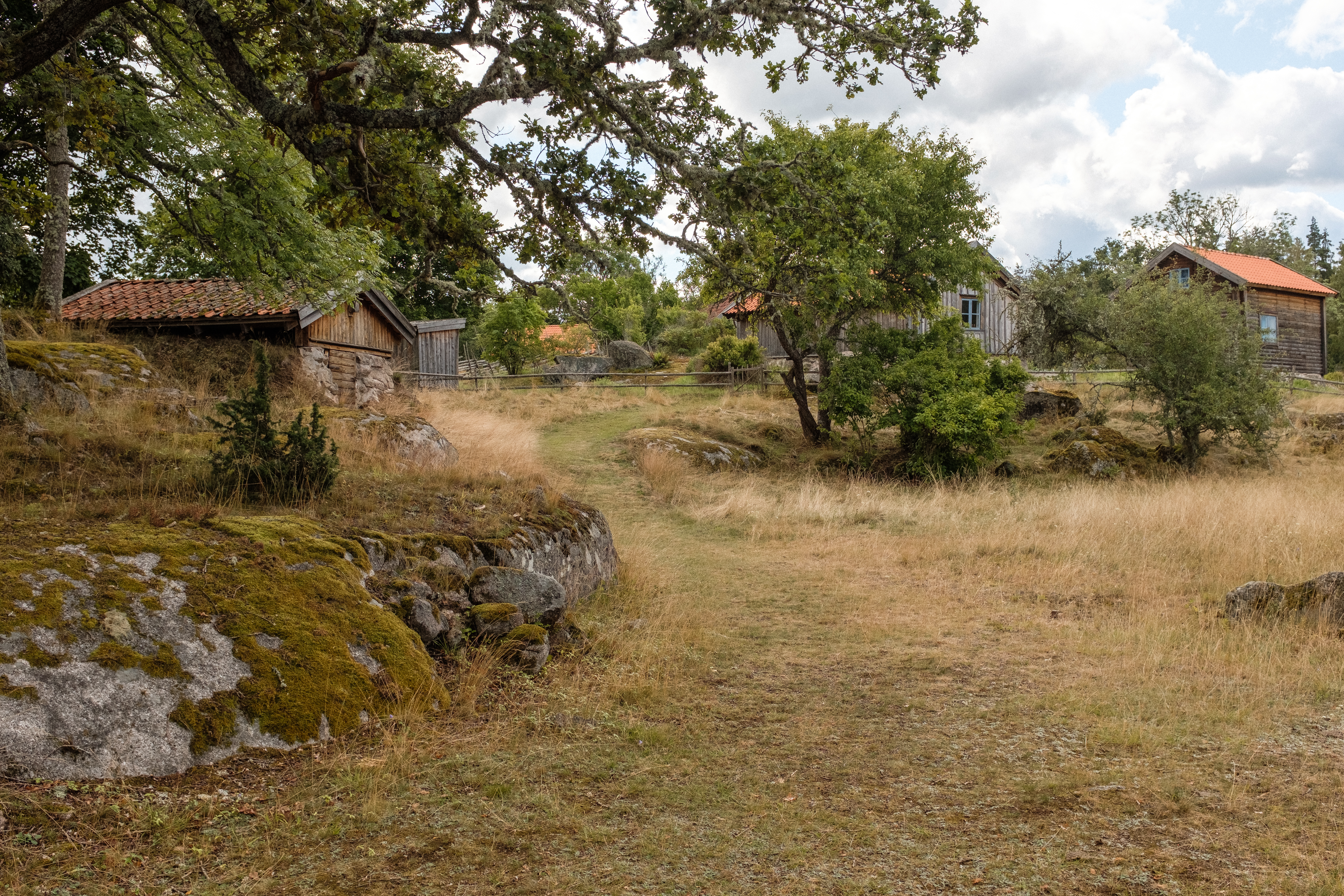
The farming landscape on Öna shows almost unimaginably meagre conditions. The ground is stony and blocky. The fields are small. The people on the island have cleared rock, built terracing, ploughed land and used every small piece of arable land.
To supplement the income, the islanders had extra income. There was a shoe factory in Bäckstömsgården. In the ribbon loom that has been preserved, ribbons were woven which were then sold in Linköping. Splitting shingles was another sideline.
New times
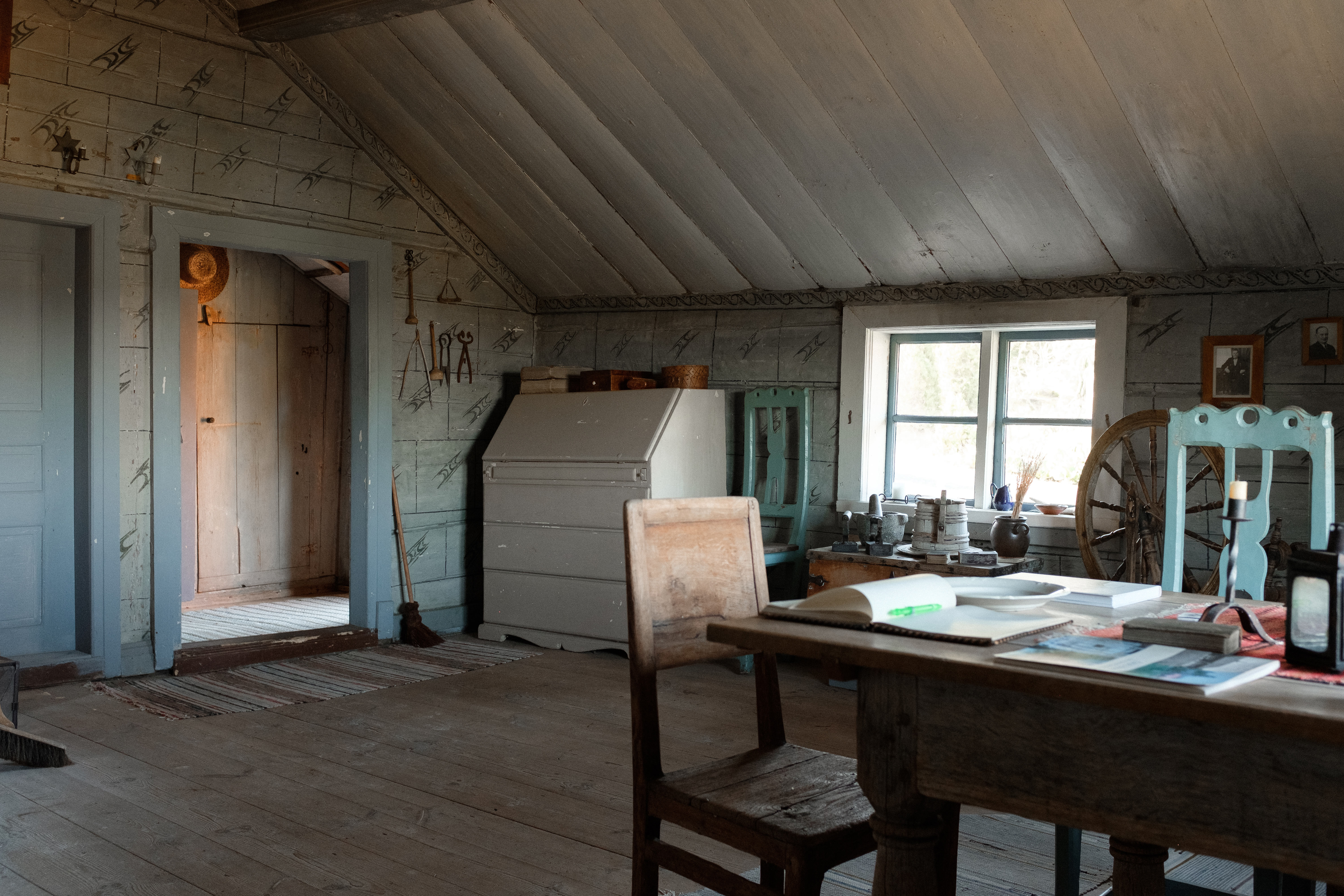
On Öna, a legal shift was carried out in 1928 and then fields and meadows as well as the forest were regulated to each small farm. Nergården became a summer cottage already in the 1930s. Ryggåsstugan became a museum and the living room shed became a sleeping loft and was covered with modern panelling.
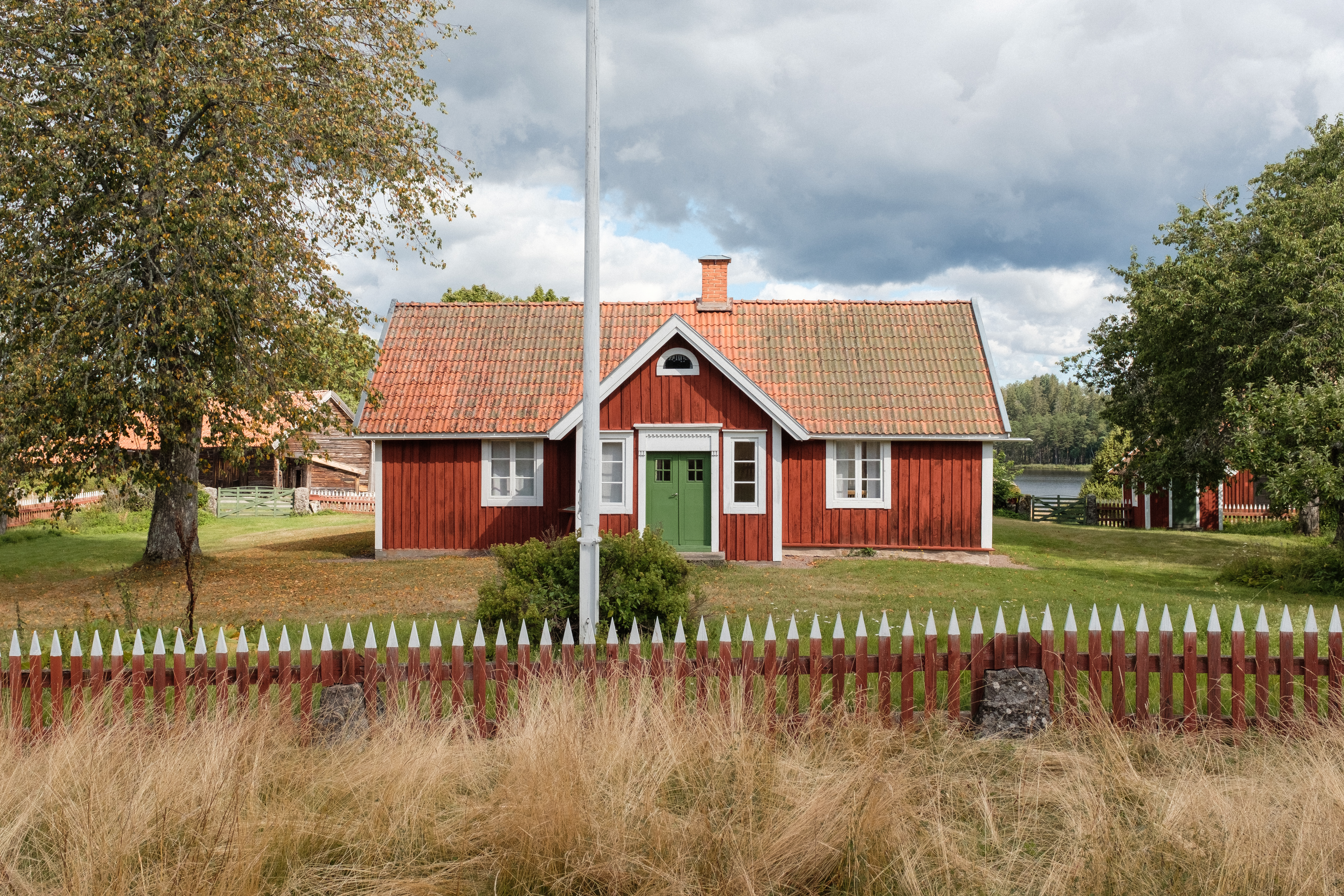
Uppgården or Röda gården as it is also called was built on and modernised to become tenant housing in the 1930s. A new shed and a new privy were built and the garden was laid out and provided with a neat fence.
The "ladies" make their mark
The last summer guests; nurse My Lindstöm and music teacher Ella Sundqvist, left their mark on Öna. The two women, who were called "the ladies" by people in the area, stayed here between 1943 and 1973. Objects from their long journeys from all corners of the world were added to the museum.
They also listened curiously to what people told about older customs and practices, such as "the little greys" and other unrelated things. Food was offered to "the little greys" in the cave that is out in the grounds.
Among the women's company were several artists and writers such as Sven Stolpe. Museum director Bengt Cnattingnius was another of the visitors. Öna's guest book shows who visited Öna during these years and what impression the place made on them.

Verner "Mosen" Ahnberg
A man named Verner Ahnberg also lived on the island. He was called Mosen or "Verner the Wanderer". Many stories circulate about him and his ideas about "the little greys and the sea serpent".
Verner "Mosen" Ahnberg was also an enterprising man and had a dance floor built on the island. He wanted to attract the local youth and possibly "meet a woman". Unfortunately, only a few visitors came.
Verner Mosen Ahnberg, who died in 1971, became the last permanent resident of Öna. Today only a cement foundation and a chimney stack remain of his cabin.
Östergötlands museum takes over
In 1973, Uppgården and Nergården were donated to Östergötlands museum. The museum owns three properties, while Skomakarstället or Bäckströmsgården is private. The island became a Cultural Reserve in 2002 and is managed by the County Board.
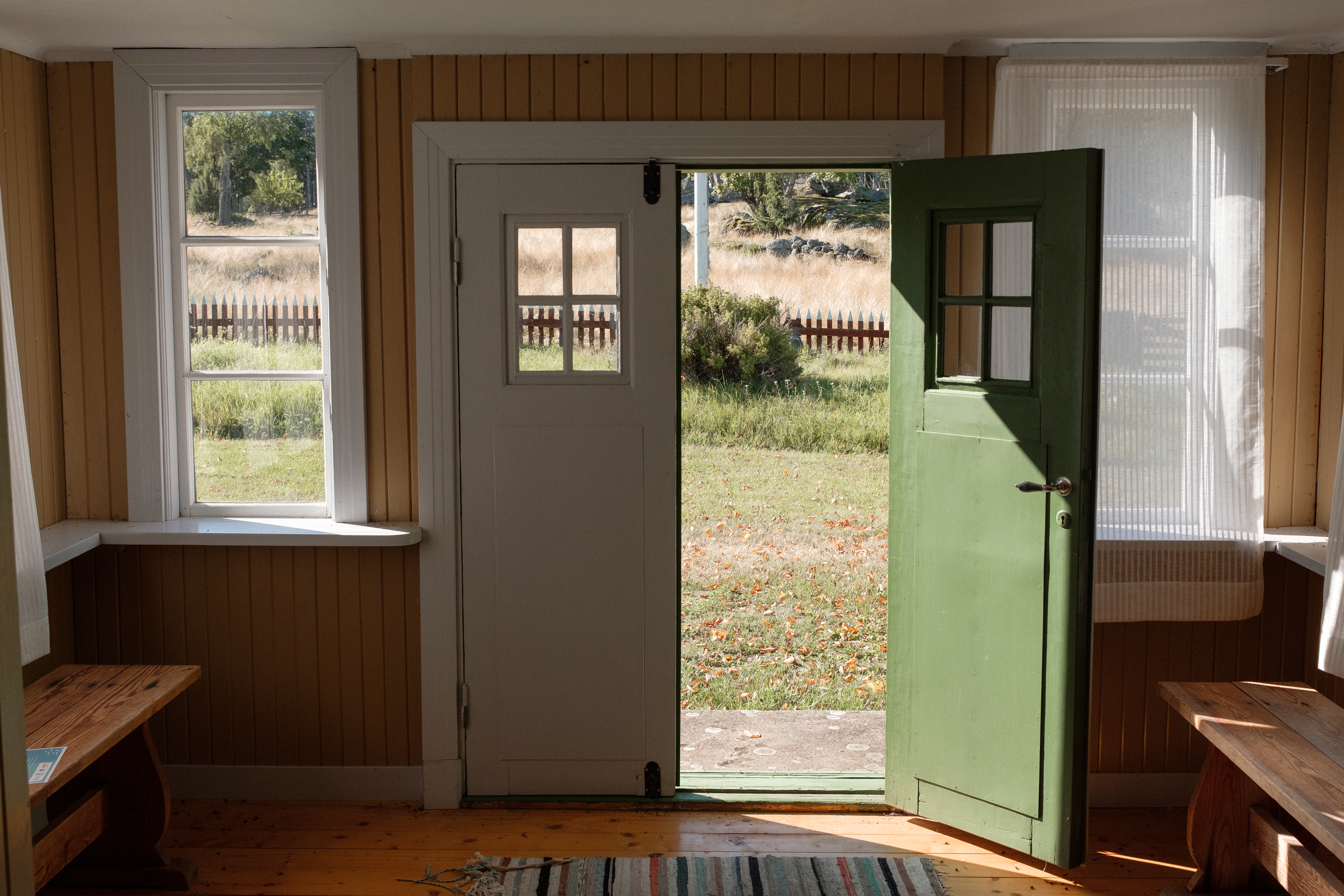
You can visit Öna whenever you want. You can look into the houses that are open. Please come here when we have screenings and programme activities. Then we show more of the inside of the houses and tell about the people who lived and left their mark on Öna.
There are also four digital walks with different Öna themes, where you are guided using your mobile telephone! The walks are created by Kulturarv Östergötland/Östergötland museum with funds from Region Östergötland and the County Administrative Board Östergötland.