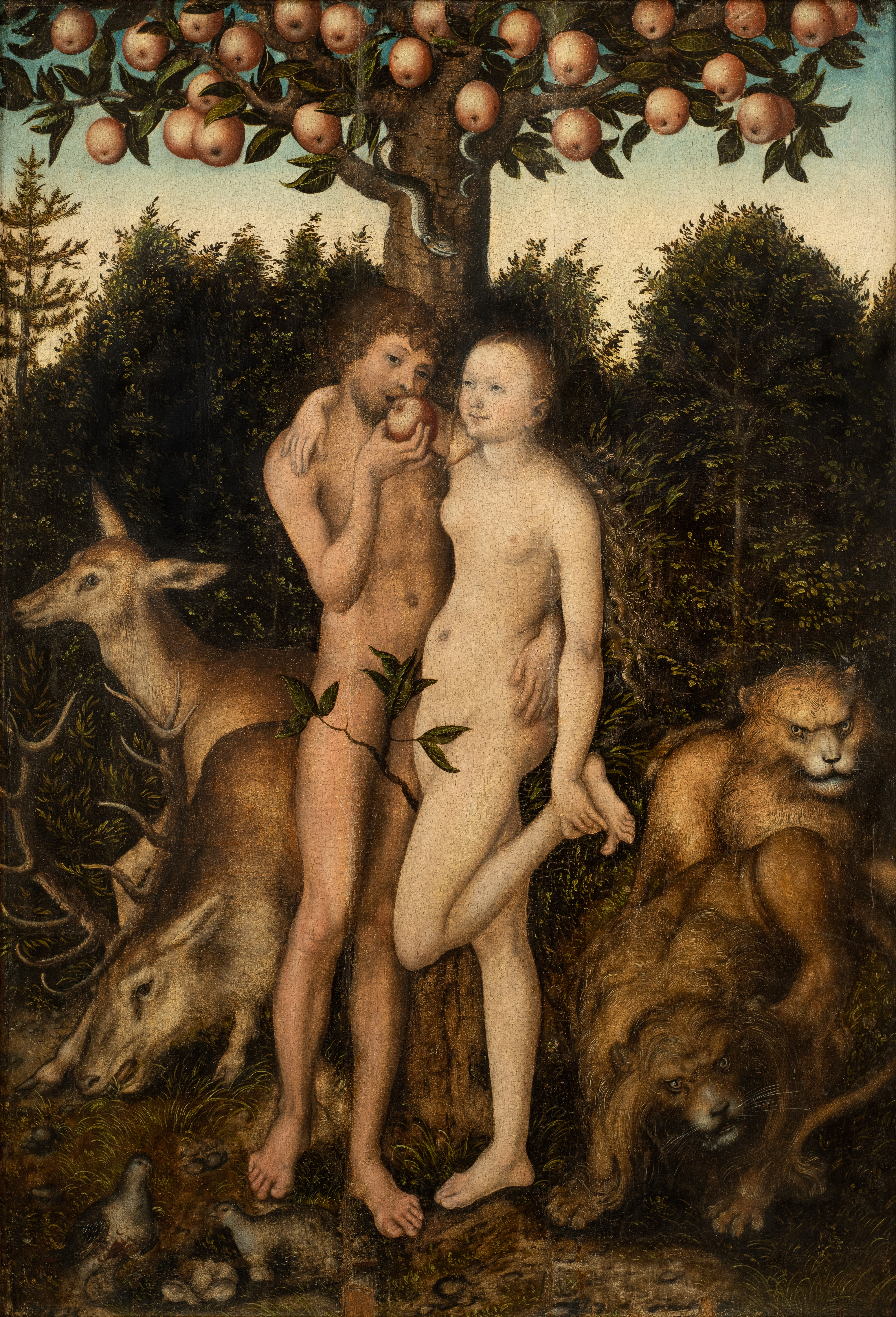
Adam och Eva, Hans Cranach, omkring 1527, olja på pannå, OM.B.000243Adam and Eve, Hans Cranach, about 1527, oil on panel

Thematic exhibition

With Realities, we want to enchant and inspire you as a visitor. The individual rooms explore the question of how people depict themselves, others and their surroundings in European art.

You will see portrait and landscape collages, a chronology of the self-portrait, photography in Östergötland, Scandinavian artists from the Düsseldorf School and thematic islands such as images of male power and their opposites.

The exhibition is characterised by a desire for perspective shifts and a spectacular design. The conventional form for art exhibitions, the white cube, is broken up and reinterpreted. The different perspectives on art can thus also be experienced spatially.
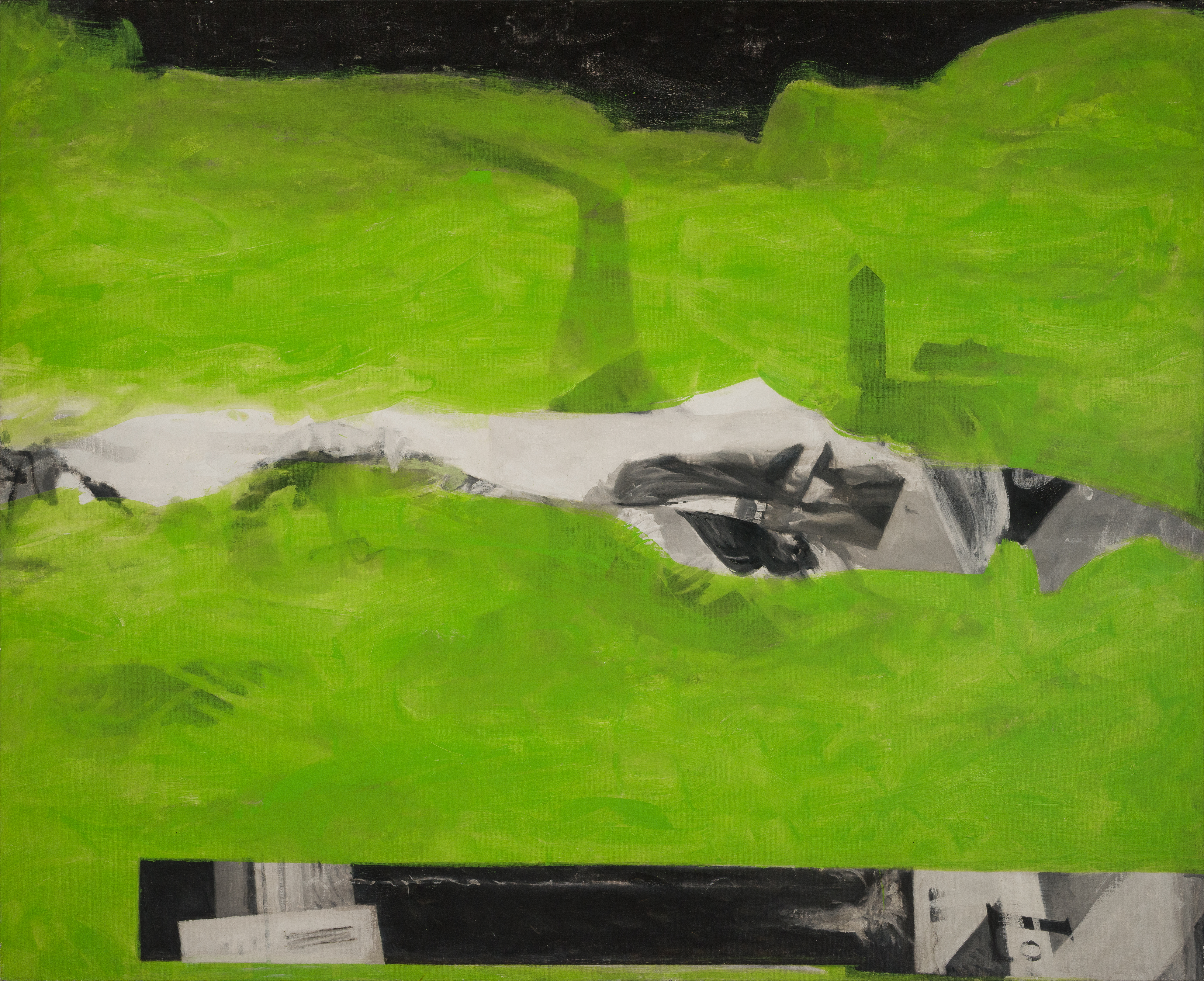
Ola Billgren, Landskap med torn, 1986, olja på duk, OM.B.004022 Copyright: Ola Billgren, Bildupphovsrätt Foto: Jim Löfgren/Östergötlands museum

The perspective of the collection

The exhibition tells the history of art from the perspective of our collection. A different design in each room and different forms of presentation create interesting rhythmic changes. 

Like many other collections, our collection is based on the personal taste of our collectors. It is subjective and fragmentary. However, that is precisely its strength: we can use exhibition objects to ask questions about what art really is.

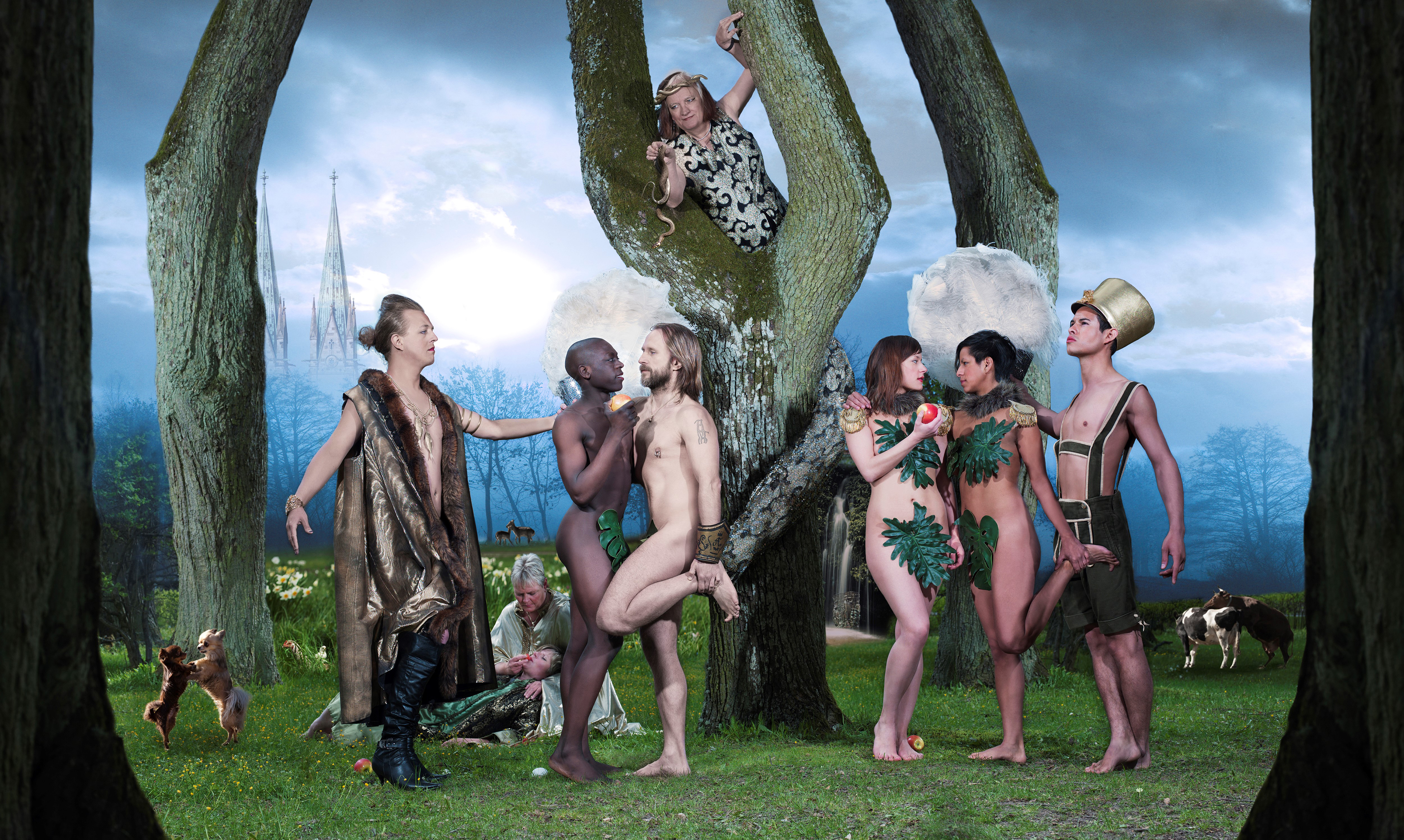
Paradiset, Elisabeth Ohlson, 2012, C-print på handplockad canvasduk, OM.B.005327 Copyright: Elisabeth Ohlson Foto: Elisabeth Ohlson

New acquisitions

In Realities there is one of the new acquisitions in our art collection, Paradise by the photographer Elisabeth Ohlson.

Also new are Confront me back I and II, two photographic works by Maria Friberg.

Also shown here are Burns and ships on the coast of Bohuslän, newly purchased oil painting by Marcus Larson.

Familjen Andersson i full färd med att skära itu sättpotatis på sin gård i Hamra by, svartvit bild

Photographs

The art exhibition also displays photographs from the museum's collections. Among the things the visitor can see are several portraits from Maria Tesch's collection.

Here are also pictures of old Linköping taken by photographer Arne Gustafsson's collection. 

And then the photograph of the Andersson family in Hamra, busy cutting up seed potatoes on their farm in Hamra village. The picture was taken in 1924 by photographer August Christian Hultgren (1869–1961).

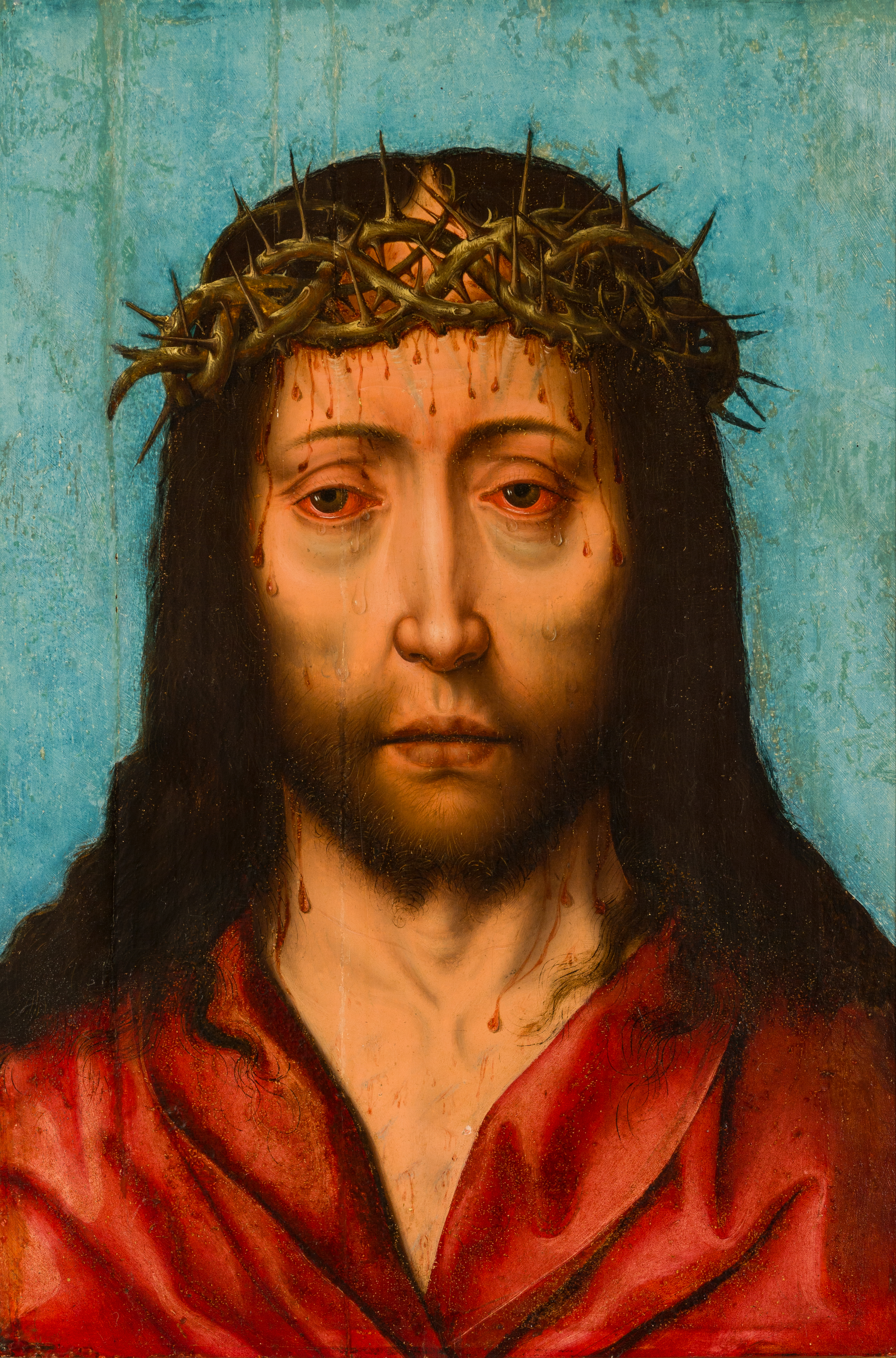
Kristus som smärtoman, ca 1500, Efter Albrecht Bouts, olja på pannå, OM.LM.002455 Christ as man of sorrows, about 1500, After Albrecht Bouts, oil on panel

What is art?

The question of what art is seems simple, but it is in fact ambitious. Even today, art exhibitions revolve mainly around chronological or comparative histories. 

These approaches presuppose an already quite sophisticated understanding of art and its position in society. They also promote an understanding of art as something unique, something outside of everyday life.

They tend to construct artists as exceptional geniuses or rebels against the status quo. However, art does not occur in a vacuum. It is highly dependent on the frames of reference that surround it.

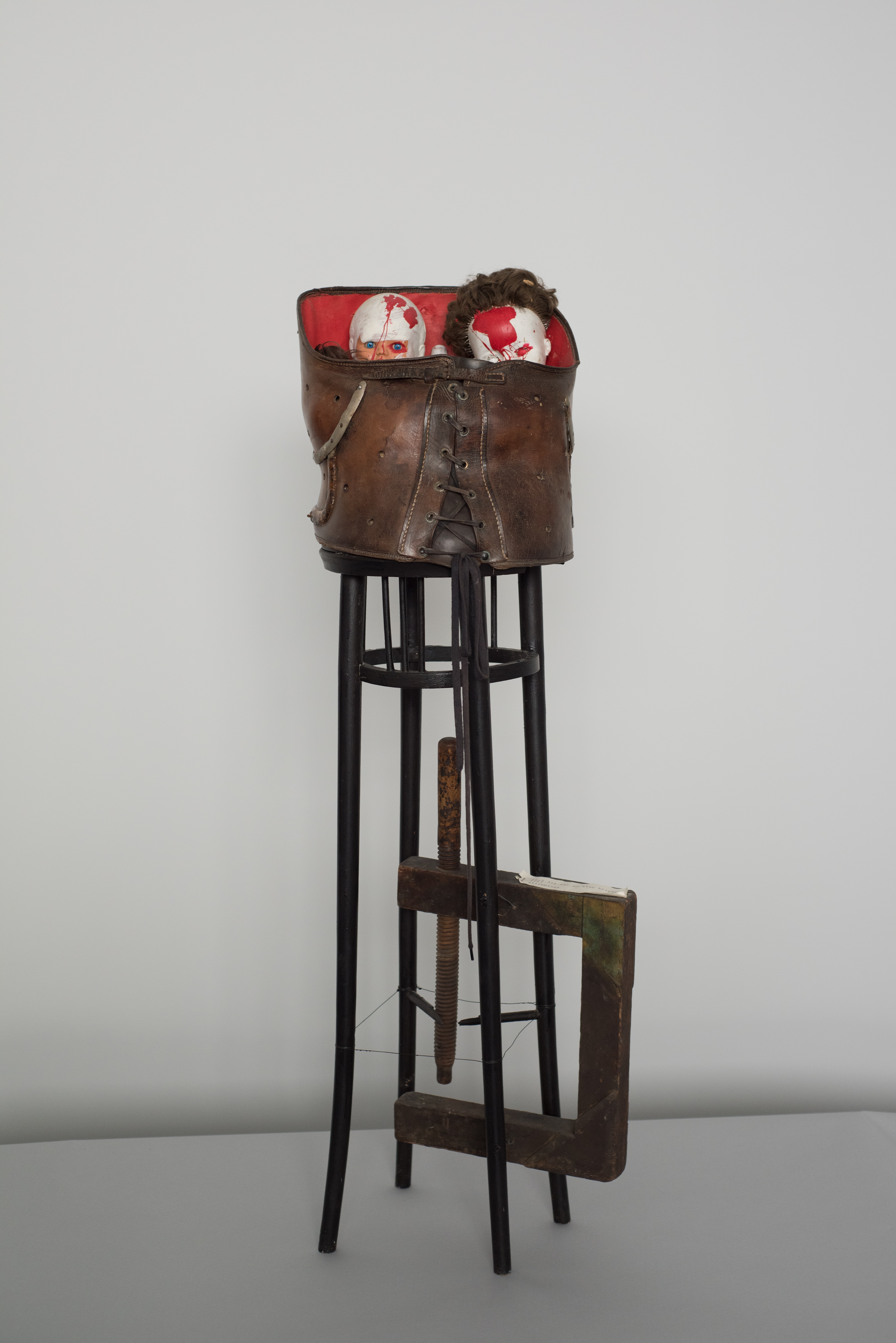
Karl XII var en stor krigare, Jørgen Nash, 1967, trä, läderkorsett, blandade objekt, OM.B.004428Charles XII was a great warrior, Jørgen Nash, 1967

Active visitor

With the new art exhibition, we want to help you as a visitor to change your perspective. We do not want to take for granted that the concept of art is self-evident.

We want the change of perspective on art and individual works of art to be inclusive: those who are already familiar with art should gain new and unexpected insights, while those who do not know much about art should realise that art is much easier to understand and at the same time more complex and more exciting than they thought. 

The visitor's perspective is also included in the exhibition. We want to provide you as a visitor with ideas and tools that take you beyond the surface of a rather elitist art history.

The playful and at the same time critical view of art is supported by the spectacular design from the Stockholm studio Museea.